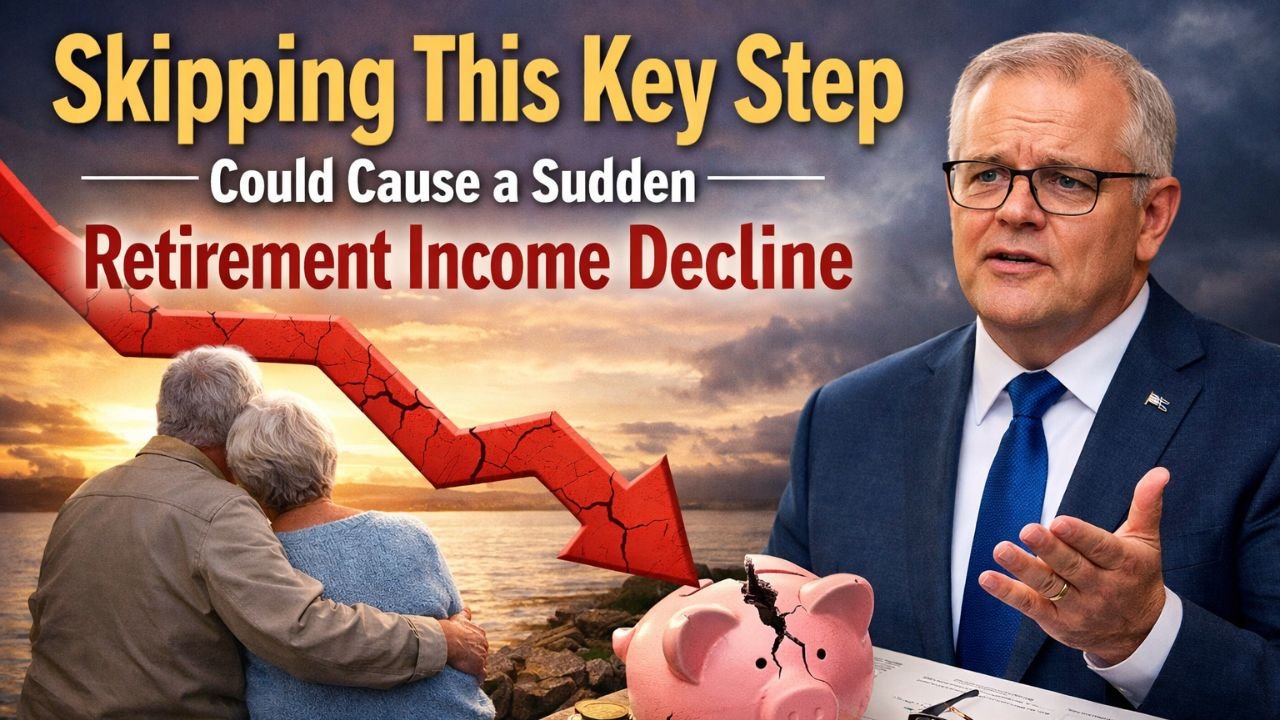
Your retirement planning period can feel like a long race, and the finish line gets closer each time you receive a paycheck. Most people don’t realize that the most critical period of your financial planning is the first few years after you stop working. Planning for retirement can feel like putting all your time and effort into a giant puzzle. Most people think that having a million dollars in their retirement accounts is a financial foundation, and while that is true, that money can disappear due to Sequence of Returns Risk. The market has a habit of falling and losing all of your hard-earned money, and if you retire during a downward trend, your portfolio can lose significant value. If you retire to living expenses that you have set aside and the market is in a downward trend, you will be forced to take out more shares and lose more money in order to keep living. As a result, retirees end up having to make do with less money. If you don’t set aside a floor of cash or cash equivalents before retirement, you’ll be forced to live with your poor decision for the rest of your life, while the rest of the people in the market go on to prosper.
Using the Bucket Strategy for Stability Over Multiple Years
To avoid the sudden loss of income, experienced financial planners start to move away from a singular portfolio and begin using the ‘Bucket Strategy’. This system divides your income into three categories based on when you will need the money. The first ‘Bucket’ is your liquid reserve, which is your money for living expenses for the next two to three years, which is held as cash, money market accounts, or short-term CDs. This ensures that if the S&P 500 or bond markets crash in your first year of retirement, you won’t need to sell a single share at a loss. The second bucket is for your intermediate needs, which is from three to 10 years from retirement, and most likely will be invested in preferred stocks or corporate bonds of good quality. The third bucket will invest in equities that will be high growth to offset the cost of living, which will be covered by the first bucket. To preserve your mental and financial status, you will be able to ignore the day to day trading of the market as you will already have “banked” your next grocery and mortgage payments.
The Effect of a Shift in the Market on the Longevity of the Portfolio
The next table shows two portfolios that are identical but result in two completely different outcomes based on the order of the annual returns. Each investor starts with 1,000,000 and makes annual withdrawals of 50,000, which is then adjusted by 3% for inflation.
| Year | Investor A (Early Losses) | Investor B (Early Gains) | Market Return (%) |
|---|---|---|---|
| 1 | 825,000 | 1,120,000 | -15% vs +12% |
| 2 | 710,500 | 1,215,000 | -10% vs +8% |
| 3 | 680,200 | 1,180,000 | +5% vs -10% |
| Year 15 Balance | 210,000 (Depleted) | 940,000 (Healthy) | Avg Return 6% |
The average return myth is dangerous regarding retirement planning. Investors cannot rely on average market returns, particularly if they hit a bear market in Year 1 Most people do not understand this unless they have hit a bull market at the beginning, which is why the key step is moving from a growth mindset to a more conservative approach at least five years before retirement.
Understanding Dynamic Withdrawal Rates and Tax Efficiency
Withdrawing based on strategies like the 4% rule have become dooming and over analyzing strategies as one of the first places they predict to be affected are volatile 2026 economy. Newer strategies have begun to describe the use of parameters involving dynamic withdrawal strategies. This is a broader economy statement. If you have a set value of below say 10% of this value then you would also have to set your spending less by 10% this year. If not, a positive market adjustment would also allow you to construct a positive adjustment to your spending and make a positive spending decision. This also extends to order of withdrawal. Cryptos, Social Security and then those withdrawable Short term, on the aggressive side tax strategies like saying, “If you are below $15,000, this tax aggressive year, you could have up to 25% more income”. Roth variables would go later Social Security payable to you at age 70 due to the powerful hedge against market years. This is also poor money and time used, a positive economy adjustment up to 8% would be a good statement.
Evaluating your personal safety margin and insurance hedges
Retirement plans should consider the unknown unknowns and perhaps the most uncertain risks are health care and long-term care. Although insurance is seen as another expense, the right insurance vehicle, such as Fixed Indexed Annuities (FIAs) or Long-Term Care (LTC) riders provide an income floor. An income stream is created, similar to a pension, by annuitizing a part of your savings, and is not affected by stock market volatility. This guarantees that your basic “survive” expenses – food, shelter, and medicine – will be covered. The basics of professional retirement planning involves the construction of a protective lifestyle perimeter and is considerably more advanced than selecting a handful of stocks. It’s a fundamental and psychological transition from a working identity to a retired identity. This is the most common reason people experience stress and anxiety because the re-calibration of one’s thinking to recognize the end of salary and wages as income is the primary source of stress. Before this decade is gone, stress-test your plan because your needs during retirement will not be known.
FAQs
Q1 What is the most important year for retirement success?
Retirement and the two years after retirement are very important because of the math that is created for your portfolio in determining how long your portfolio will last.
Q2 Should I stop investing in the stock market after retirement?
No. You will need equities that will be able to outpace inflation in a retirement that will last 20 to 30 years, but be sure to have an amount of cash that will carry you through without selling your equities in a market downturn.
Q3 What role does inflation play in my withdrawal strategy?
Because of inflation, buying power decreases. For example because of this an annual withdrawal of 50,000 today will put in less money 10 years later, causing it to put in money equal to 75,000 to keep the same standard of the living.